Jakarta Waste Collection Services for a Green Future
The need for waste transportation services is increasing, especially in the city of J akarta.In the midst of rapid population growth and ongoing urbanization, waste generation continues to increase.
Effective management of Jakarta waste transportation services is a necessity for the cleanliness of the surrounding environment, a greener future is at stake. So, what is the waste transportation and management system in Jakarta? Let’s discuss it together!
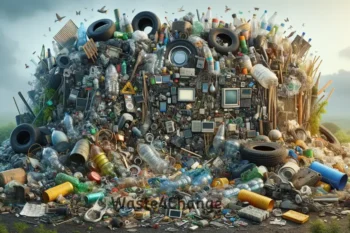
Jakarta Produces 7 Thousand Tons of Garbage Per Day
Data shows that Jakarta produces more than 7 thousand tons of waste every day, and this figure continues to increase.

The main sources of waste in Jakarta are households, industry and the commercial sector, including organic and inorganic waste.
Increased consumption, especially plastic, is one of the main causes of increasing waste volume in the Indonesian capital
| Type of Waste | Volume of Waste Transported per Day According to Type of Waste in DKI Jakarta (Tons) | ||||
| 2018 | 2019 | 2020 | 2021 | 2022 | |
| Organic | 4.009,43 | 3.519,14 | 4.078,28 | 3.888,19 | 3.761,90 |
| Inorganic | 3.671,69 | 4.139,86 | 3.466,79 | 3.305,20 | 3.749,84 |
| Hazardous Waste | 41,69 | 43,07 | 42,41 | 40,44 | 31,68 |
| Total | 7.722,81 | 7.702,07 | 7.587,49 | 7.233,82 | 7.543,42 |
Waste Management Facilities in 2024
In order to maintain a clean and healthy environment, the role of Jakarta waste transportation services is very crucial.
They are responsible for collecting trash from homes, businesses, and other public locations.
Then, this waste is taken to temporary waste storage sites (TPS) or final disposal sites (TPA) for further management
In Jakarta, there are various TPS locations that function as initial collection points for waste before it is transported to the landfill.
Some of the famous TPS are TPA Bantar Gebang and TPS Cipayung.
Meanwhile, landfills in Jakarta include the Bantar Gebang landfill, which is one of the largest landfills in Southeast Asia.
To reduce the accumulation of waste, the DKI Provincial Government has also built four macro Intermediate Waste Processing Facilities (FPSA) in the capital city.
The Jakarta government is targeting the four FPSAs to be completed in 2024.
The FPSA is located in four locations in the city of Jakarta, namely FPSA Sunter (central), FSPA in West Jakarta, East Jakarta and South Jakarta.
It is claimed that FPSA can reduce Jakarta’s waste load by up to 2 thousand tons per day with environmentally friendly technology so that it does not cause air pollution.
The Presence of WasteTransportation Services in Jakarta
As waste continues to pile up, the presence of companies that focus on waste management has become very important.
After successfully turning waste into refuse-derived fuel (RDF), now the private sector is ready to build a Waste to Electric Energy (PSEL) Processing facility.
The program was initiated by PT. Daya Barus Nusantara (DBN), located in Penjaringan, North Jakarta.
Now, there are many companies or startups that offer waste transportation services in the city of Jakarta and its surroundings, such as the Waste4Change service.
The Jakarta Regional Government has even collaborated with some of the companies above to overcome the problem of mounting waste.
This includes collaboration with waste management companies, one of which is strengthening waste management from upstream to downstream.
Program to Raise Awareness of Waste
Although important, proper waste processing and adequate infrastructure are still very limited.
Efforts to increase awareness of the people of Jakarta regarding waste management are also a collective task.
Education about waste segregation, reducing plastic use and waste recycling practices still needs to be improved.
Starting from here, the DKI Jakarta Provincial Government launched the Large-Scale Social Collaboration Program (KSBB) on Waste in 2021.
This program involves various sectors including business entities, associations and environmental communities that support waste banks, TPS 3R and waste management communities.
DKI Jakarta has also started implementing the Scheduled Waste Sorting and Transport Program in 147 pilot Community Units (RW).
Educational efforts to reduce, sort and recycle waste are also carried out, including reducing the use of single-use plastic bags.
The government also supports training in organic waste and E-Waste processing as well as collaboration between official waste management service providers in the Jakarta area.
What is the Price Range for Waste Transportation Services in Jakarta?
Prices for waste transportation services in Jakarta vary depending on various factors such as the volume of waste, location and type of service required.
Rates can range between IDR 50 – IDR 200 thousand per month for households, while businesses may pay more depending on their needs.
There are even several Jakarta waste transportation services that offer fees starting from IDR 40 thousand per month.
Effective waste management is the key to overcoming the waste problem in the city of Jakarta.
Collaboration is needed between local governments and institutions related to Jakarta’s waste transportation services.
It is also important to increase public awareness so that we can move towards a cleaner, healthier and more sustainable Jakarta environment.