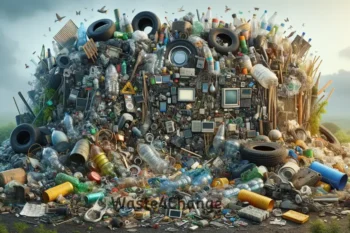
What is Domestic Waste? The following are examples of liquid and solid types of this type of waste
What is domestic waste? What is the meaning of this type of waste? Because this type of waste is very close to daily life, we should understand and be more aware of the impact of this waste, and of course know what actions we can take to manage it.
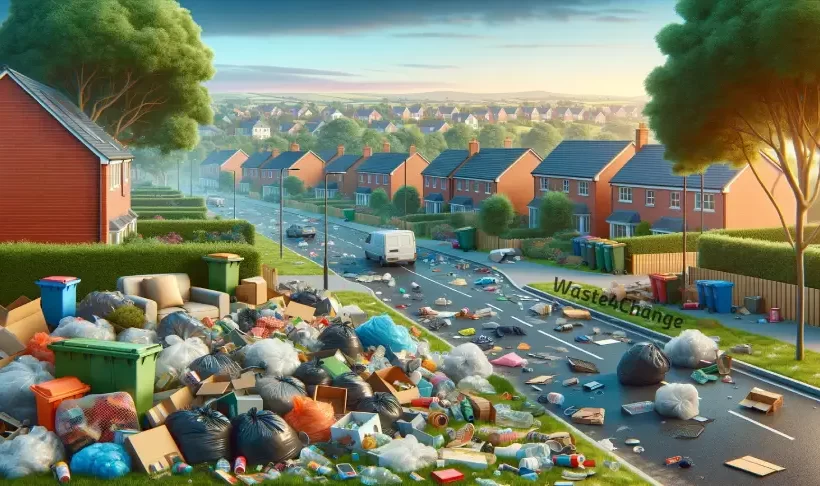
What is domestic waste?
Domestic waste is waste resulting from household activities, trade, offices and similar facilities.
As the name suggests, this waste is produced from that place by or on behalf of the occupants who produce the waste.
Of course, domestic waste is simply generated without any particular consideration, such as payment, compensation or other benefits.
A lot of data has been found on the negative impacts of poor waste management, including contamination of water for household use.
Next, what is the form or type of this waste? What are some examples? We discuss this more clearly in this article.
Types of Domestic Waste
In the previous point we discussed understanding, then another important thing is understanding the types of waste.
Domestic waste or rubbish is one of the causes of soil, water and air pollution, so we need to study it.
There are at least two main types of domestic waste that you need to know:
- Domestic Liquid Waste
Domestic liquid waste is liquid resulting from household and industrial activities, including used washing water, used bath water and human waste.
Of course, this type of waste contains chemicals from bath soap, detergent, oil and germs. - Domestic Solid Waste
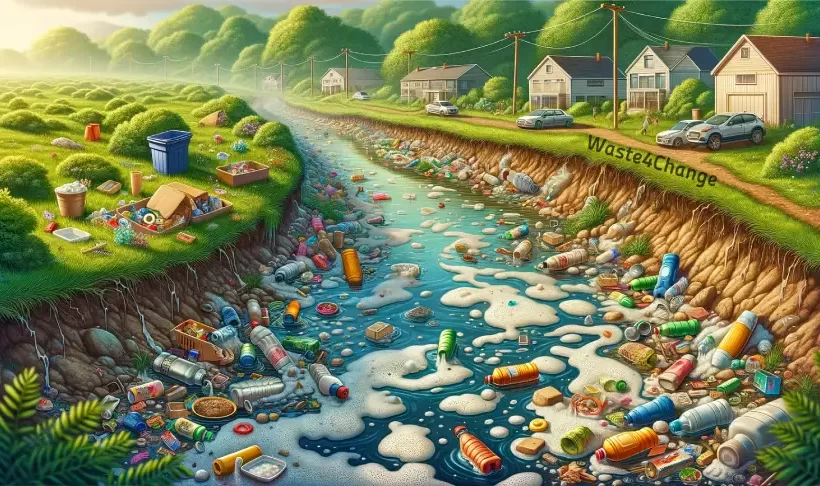
In small volumes it may not be dangerous. However, if it accumulates in large quantities, it can pollute the environment, especially water sources around settlements.
This type of solid domestic waste is waste produced from household activities and is often found around us.
Examples involve paper, clothing, plastic bottles, household furniture, electronic equipment, and others.
This hard inorganic waste is difficult for the soil to decompose and is often left to accumulate for years in landfills, or burned.
It is important to consider the management of domestic solid waste to optimize its use and avoid soil pollution.
3 Main Impacts of Domestic Waste Accumulation
Awareness of the influence of household waste on society and the ecosystem is very important. Unfortunately, there are still many who don’t realize it.
Disposing of household waste without going through a processing process can have a long-term negative impact on the sustainability of the ecosystem.
Some of the impacts of disposing of liquid and solid waste into the environment involve:
- Impact on Health
Liquid waste from toilets contains E. Coli bacteria which can cause various stomach diseases such as typhus, diarrhea and cholera.
If not treated properly, toilet waste can seep into the well, especially if it is not far enough from the septic tank, which often happens in dense settlements.
Contaminated water can cause various health problems if used without cooking, such as itching, diarrhea, and even kidney and liver problems.
Rotting solid waste can also produce toxic gases such as sulfuric acid, methane and ammonia.
Direct discharge into waters can pollute the water and the surrounding environment. - Impact on the Environment
Domestic liquid waste containing detergent chemicals can affect the acidity or pH level of the soil.
Meanwhile, waste containing chemicals thrown into rivers can harm plants and animals in the river.
This can damage the river ecosystem as a whole and disrupt the ecological balance. - Impact on Aesthetics
All untreated waste can cause unpleasant odors and be an eyesore to the environment.
This will create an unsightly environment, while reducing the quality of life around it.
To overcome the problem of household liquid waste, the Waste Water Treatment Plant (IPAL) method can be applied.
IPAL, which is often referred to as a septic tank for toilet waste, is a means of processing liquid waste from toilets, washing water and bathrooms.
So, it is important to understand the types of domestic waste and their impacts.
After reading the review above, let’s move on to how to reduce everyday household waste.
7 Ways to Reduce Daily Household Waste
After knowing the impact, we must also know how to reduce domestic waste around us. Here are the methods:
- Reduce and manage food waste with shopping planning. You can also use used food as fertilizer or animal food.
- Use reusable bags for shopping and avoid using plastic, including when buying clothes or household items.
- Replace bottled water with reusable water bottles, reducing reliance on bottled water which contributes to plastic waste.
- Buy food according to your needs, then reduce the use of plastic from stores.
- Use reusable containers, This is to reduce dependence on plastic bags.
- Using reusable tableware, such as silverware and cloth napkins, can also reduce single-use waste.
- Avoid using straws when drinking, either by ordering without one or buying a reusable straw.
- In an effort to reduce household waste, the simple steps above can have a significant positive impact.
Every small action in reducing this type of waste can make a big contribution to maintaining the sustainability of our environment.
See general waste management methods here.
Examples of Domestic Waste
- We start from liquid domestic waste
- Water used for washing dishes, washing hands
- Washing machine liquid waste
- Bath water, shampoo soap
- Waste from toilet
- House cleaning liquid waste
- Used aquarium water
- Used swimming pool water
- Water from gardening activities
- Used fluid used to wash vehicles.
Examples of solid domestic waste:
Kitchen waste
- Plastic product packaging waste, cans
- Waste paper, magazines, newspapers
- Electronic toy trash
- Used clothes
- Electronic tool waste
- Plastic
- Furniture trash
- Trash from used lamps, and so on.
These are some examples of domestic waste or often also called household waste. Once we understand the meaning of what domestic waste is, and know what types and examples are, naturally we will be able to better understand and understand what we can do.
Hopefully this is useful and continue to preserve nature wisely. If you need waste management services for your home and other areas, please contact us or visit the detailed page about this waste management service.