Good News, Bandung Waste Collection Services Are Getting Easier!
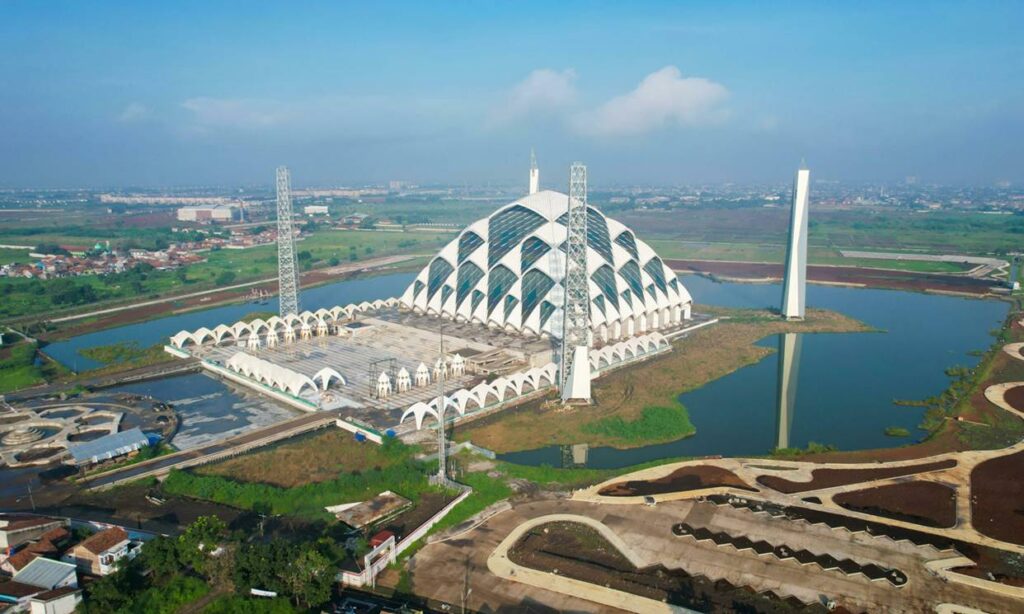
As one of the largest cities in Indonesia, Bandung faces serious challenges in waste management services. This is evident in recent news, when trash was scattered at the newly inaugurated Al-Jabbar Grand Mosque.
The fire at Sarimukti Landfill also reminded Bandung residents of the “Bandung Sea of Trash” incident in 2005.
Certainly, this issue requires an effective approach, and the role of waste collection services in Bandung is crucial in maintaining the city’s cleanliness.
So, how can waste collection services help address the waste issue in Bandung? Find out in the following explanation!
Convenience of Waste Collection Services in Bandung

Waste collection services play an important role in keeping Bandung clean and healthy. With efficient waste collection, waste can be transported to waste collection points (TPS) or final disposal sites (TPA) for further management. Subscribing to waste collection services offers several significant benefits, including:
- Separate collection of waste
- Recycling of waste for a sustainable environment
- Active contribution to the welfare of waste collectors
Additionally, subscribing to waste collection services in Bandung will establish a systematic system for all parties involved. This will help maintain the cleanliness of Bandung while providing positive social and ecological benefits.
The cost of waste collection services in Bandung varies depending on factors such as the type of service needed. For commercial services, the rate is around 60,000 rupiahs per cubic meter, while non-commercial rates are 50,000 rupiahs per cubic meter. Some waste management companies also offer special packages for businesses and industries. For households, there are waste collection services available at a cost of 40,000 rupiahs per month.
Distribution of TPS and TPA in Bandung

Bandung has several waste collection points (TPS) scattered throughout the city, serving as the initial collection points for waste before being transported to the landfill. Some well-known TPS locations include Cimindi TPS and Gedebage TPS. Other TPS locations in Bandung include:
- Babakan Sari TPS
- 3R Antapani TPS
- Tegallega TPS
- Regol TPS
As for the final disposal site, Sarimukti Landfill is the only facility for processing waste in Bandung. Sarimukti Landfill is responsible for accommodating waste generated from all over Bandung Raya (Greater Bandung). Moreover, this Bandung landfill also receives waste collected from the Citarum River through the Citarum Harum Program. The average daily volume of waste received at the Bandung landfill is approximately 1,800 to 2,000 tons of waste.
| Year | Amount of Garbage Per Day in Bandung City |
| 2018 | 2.294,65 tons |
| 2019 | 1.339,37 tons |
| 2020 | 1.533,65 tons |
| 2021 | 1.430,04 tons |
Challenges in Operating Waste Collection Services in Bandung

The Bandung City Government has been actively collaborating with various institutions and communities in waste management. This includes working with waste management companies and initiatives to improve waste management in the city. Programs such as environmental awareness campaigns and tree planting activities have also been implemented. Nevertheless, the operation of waste collection services in Bandung still faces several challenges. One of them is the prevalent habit of littering.
Not only that, but traffic congestion and inadequate infrastructure also pose challenges to efficient waste transportation.
The importance of increasing public awareness of waste management cannot be ignored. Effective education campaigns on waste sorting, reducing plastic use, and recycling practices are needed.
Waste Management in Bandung Using the BSF Method
In an effort to address the waste issue in the city of Bandung, Waste4Change collaborates with UNDP, Perumda Pasar Juara Kota Bandung, and BLUD UPT DLHK Kota Bandung.

The goal is to develop a waste management prototype in Gedebage Market using the Black Soldier Fly (BSF) method.
Gedebage Market, one of the largest markets in the city of Bandung, generates up to 10 tons of waste daily.
Through this collaboration, market operators and traders are working to create an effective solution for managing organic waste using the BSF method.
It is hoped that this program can reduce the generation of organic waste in the market and prevent its negative impact on the environment.
This method not only helps reduce organic waste but also aligns with the Indonesian government’s focus on a circular economy.
This collaboration is expected to instill waste management practices in Gedebage Market while supporting the government’s goal to address 70% of the waste.
Through this collaborative effort, Waste4Change is committed to supporting Clean Indonesia 2025 and responsible waste management.
Effective waste management is a crucial investment in maintaining Bandung as a clean, healthy, and sustainable city.
Certainly, strong collaboration between the government, institutions, waste management companies, and the growing awareness of the community is needed.
With this, the city of Bandung can achieve its shared goal of better waste management.
Check out Waste4Change’s waste management services in the Bandung region here.