21 Examples of Inorganic Hard Waste + Definition and How to Recycle Them!
Humans always produce various types of waste, organic and inorganic waste, including inorganic hard waste on daily basis.
Problems arise when this waste accumulates and causes problems for the surrounding environment.
So, what exactly is meant by inorganic hard waste?
This article will discuss in detail the meaning of inorganic waste in general. for example, as well as how to manage them.
What is Organic Hard Waste?
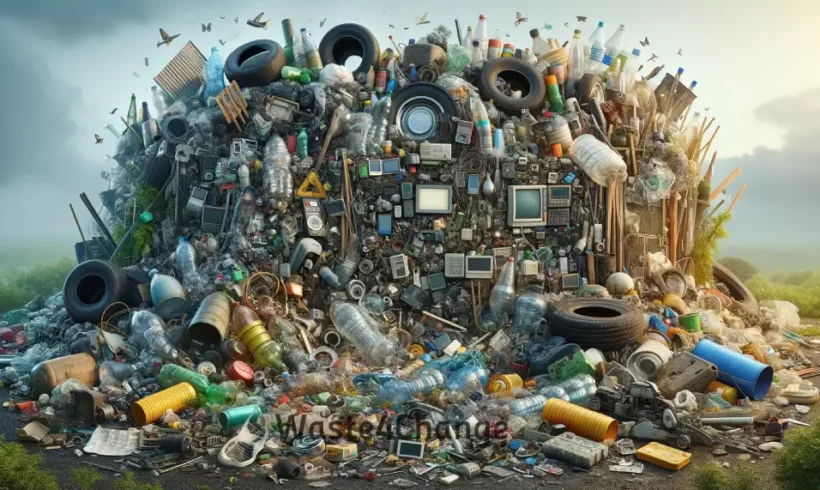
What is inorganic hard waste? Inorganic hard waste is waste that is not easily destroyed. Typically, these wastes require special handling methods, such as heating or incineration, to manage.
Examples of Inorganic Waste
There are many items that are examples of inorganic waste or hard rubbish, including:
- Ceramic shards
- Broken glass
- Rusty nails
- Used cans
- Used wire
- Glass perfume container
- Used glasses and plates
- Used TV set
- Iron hardware on used refrigerator
- Iron waste like scissors
- Glass flower vase
- Per used mattress
- Iron from vehicles
- Thick plastic packaging
- Polystyrene foam
- Battery
- Broken toy
- PVC pipe
- Home decoration made of glass and iron
- Medical equipment
- Used cassette tapes, VCDs and DVDs
Differences between Inorganic and Organic Hard Waste
As the name suggests, inorganic waste is a type of waste that comes from non-biological materials.
It can also come from non-renewable natural resources, as well as the results of technological processes for managing mining and industrial materials.
Concrete examples of inorganic waste are metal and its processed products, plastic, paper, glass, ceramics and detergent waste.
This type of waste is further divided into two main categories, namely inorganic soft waste and inorganic hard waste:
- Inorganic Soft Waste: A type of waste that is soft or pliable, easy to shape, and includes materials such as plastic, synthetic cork or styrofoam, plastic straws, and fast food wrappers. Inorganic soft waste also includes liquid waste, such as detergent water, laundry soap and used cooking oil.
- Inorganic Hard Waste: This waste has properties that are not easily destroyed. Typically, these wastes require special methods, such as heating or incineration, to manage. Examples of hard inorganic waste include broken ceramics, glass, rusty nails, and used cans.
In-depth knowledge of the types and examples of inorganic waste is key in designing effective waste management strategies.
Moreover, to manage hard inorganic waste, considering its quite real impact on our environment.
7 Steps and Methods for Managing Inorganic Hard Waste
Appropriate steps are needed in managing waste, so that the waste has economic value and is not harmful to the environment.
The following are steps for managing inorganic hard waste that can be implemented to maintain environmental sustainability:
- Separate waste into two main categories, organic (such as food scraps, leaves, grass, and fish bones) and inorganic (including rubber, glass, plastic, cans, and paper).
- Provide two separate trash bins for each type of waste.
Some inorganic waste can be recycled, including paper, cardboard, glass bottles, plastic bottles and cans. Apart from being used as crafts, this waste can be taken to a recycling center or handed over to scavengers. - Separate inorganic hard waste and send it to recycling centers that have the knowledge to process it without harming the environment.
- Meanwhile, organic waste can be managed by turning it into compost which is useful for gardening activities.
- Cultivate the 3R lifestyle (Reduce, Reuse, Recycle). For example, reuse used plastic bottles as plant pots.
- Waste management initiatives can also be started by reducing the amount of waste, avoiding the use of single-use products, using cloth bags when shopping, and minimizing the use of tissue.
- Lastly, there is a waste bank for inorganic hard waste. After being separated and grouped, the waste can be handed over to a waste bank, and considered as a deposit before being converted into money.
9 Examples of Inorganic Hard Waste Crafts
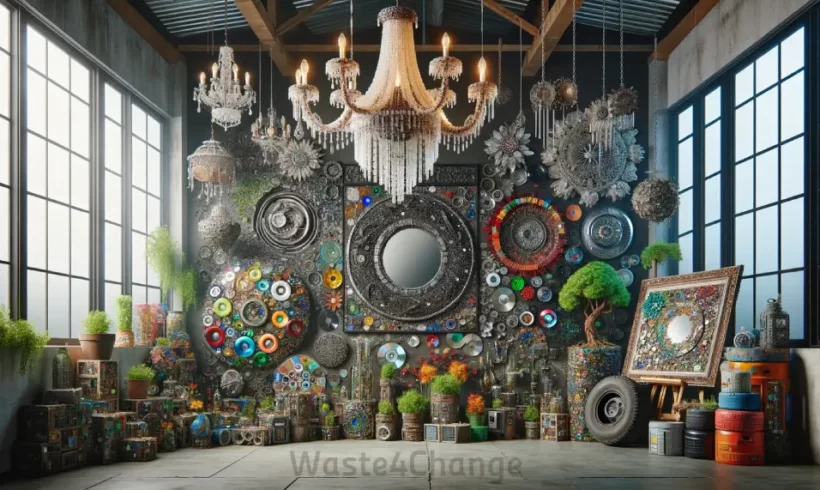
Apart from sending it to a recycling center or selling it, you can also turn inorganic hard waste into aesthetic decorations.
inorganic hard waste
The following are examples of creative inorganic hard waste crafts:
- Glass bottle vase: Place flowers in a glass bottle filled with water, then place it to beautify your room.
- Floor with ceramic shards: With an anti-mainstream theme, ceramic shards can also be used as flooring material.
- Popsicle stick pencil holder: Ice cream stick waste can be turned into a creative pencil holder.
- Lampshades made from broken glass: Lamp frames made from broken glass give an exotic impression, as well as an industrial vibe to the home interior.
- Lamp decoration from cans: Used cans can be turned into bedside lampshades. Just make lots of holes in the can, then attach the light to the inside.
- Decorations from broken glass: Glass pieces can also be used as elegant table or wall decorations and have high artistic value.
- Photo frames from scrap iron: Unused iron can be melted down to make unique photo frames.
- Shelves from iron pieces: You can also make storage bins from iron pieces.
- Pencil case from milk can: Milk can can be used as a pencil case. To enhance its appearance, cover it with wrapping paper.
Nowadays, awareness of the importance of managing inorganic hard waste is increasing.
One of them is with creative recycling efforts as above.
Handicrafts from inorganic hard waste such as Ecobricks are one solution to reduce the accumulation of this waste.
Plus, it provides added value to items previously considered useless.